
Bone fractures, also known as broken bones, can be a painful and debilitating injury. Fortunately, with modern medical technology and treatment options, most bone fractures can be effectively treated and managed. In this article, we will provide a comprehensive guide to bone fracture treatment, including the different types of fractures, treatment options, and recovery process.
Types of Bone Fractures
- Closed Fracture: A closed fracture is a break in the bone that does not penetrate the skin.
- Open Fracture: An open fracture, also known as a compound fracture, is a break in the bone that penetrates the skin and exposes the bone to the environment.
- Comminuted Fracture: A comminuted fracture is a break in the bone that results in multiple fragments.
- Displaced Fracture: A displaced fracture is a break in the bone where the bone fragments are out of place.
- Non-Displaced Fracture: A non-displaced fracture is a break in the bone where the bone fragments are still in place.
Treatment Options for Bone Fractures
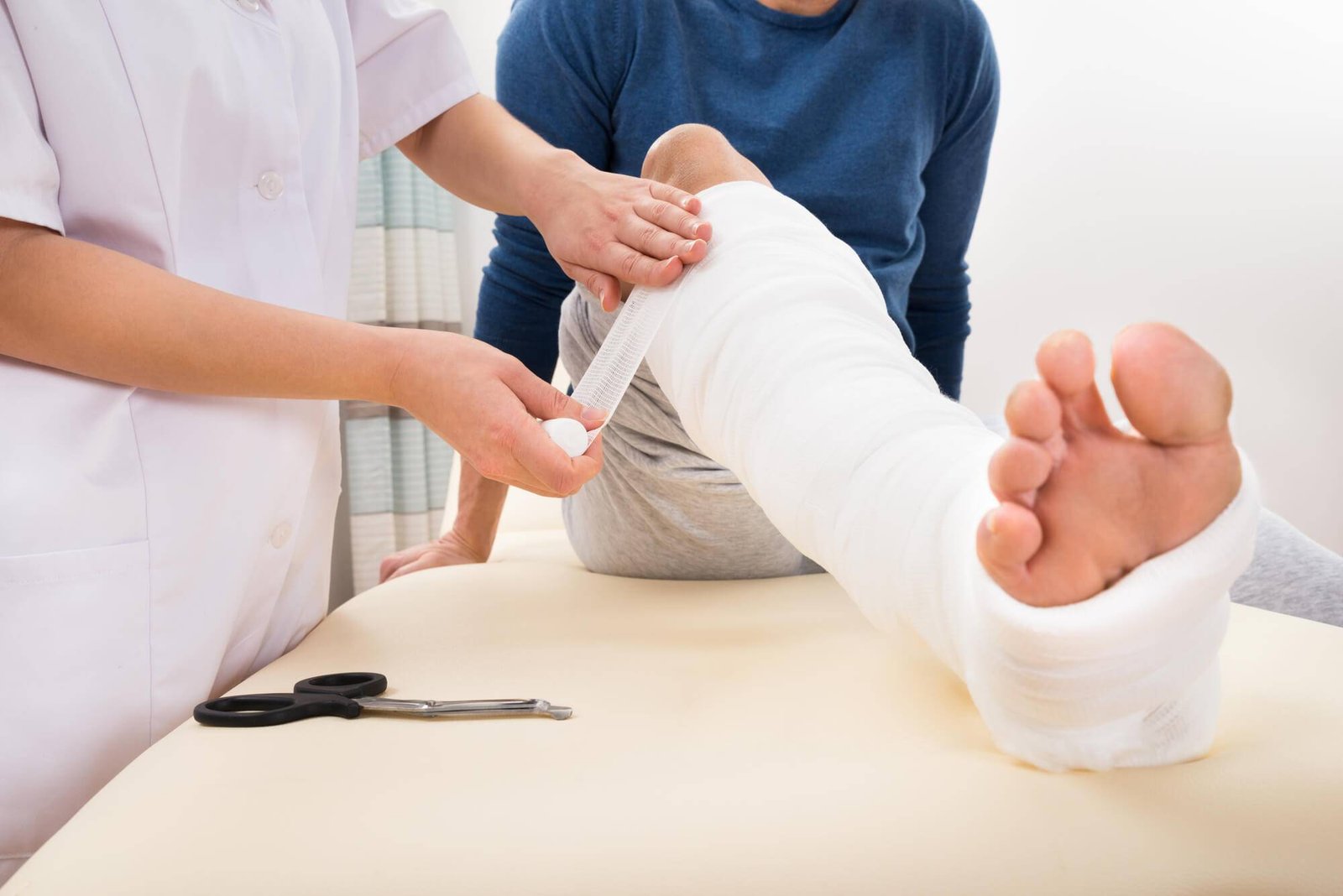
- Casting: Casting involves immobilizing the affected limb or area in a cast to allow the bone to heal.
- Surgery: Surgery may be necessary to realign and stabilize the bone fragments, especially in cases of displaced or comminuted fractures.
- Internal Fixation: Internal fixation involves the use of plates, screws, or rods to stabilize the bone fragments.
- External Fixation: External fixation involves the use of a frame or device outside the body to stabilize the bone fragments.
- Pain Management: Pain management is an important aspect of bone fracture treatment, and may involve the use of pain medication, ice, compression, and elevation.
Recovery Process for Bone Fractures
- Immobilization: Immobilization is critical to allow the bone to heal properly.
- Pain Management: Pain management is important to ensure the patient is comfortable and able to participate in rehabilitation.
- Physical Therapy: Physical therapy may be necessary to restore strength, mobility, and function to the affected area.
- Follow-up Care: Follow-up care is important to monitor the healing process and remove any casts or hardware.
Complications of Bone Fractures
- Infection: Infection is a risk with any open fracture or surgical procedure.
- Malunion: Malunion occurs when the bone heals in an abnormal position.
- Nonunion: Nonunion occurs when the bone fails to heal properly.
- Nerve Damage: Nerve damage can occur due to the fracture or surgical procedure.
Prevention of Bone Fractures
- Maintaining Bone Health: Maintaining bone health through a balanced diet and regular exercise can help prevent bone fractures.
- Preventing Falls: Preventing falls by removing tripping hazards and using handrails can help reduce the risk of bone fractures.
- Wearing Protective Gear: Wearing protective gear, such as helmets and knee pads, can help prevent bone fractures in certain activities.
Conclusion
Bone fracture treatment requires a comprehensive approach that includes proper diagnosis, treatment, and rehabilitation. By understanding the different types of bone fractures, treatment options, and recovery process, patients can make informed decisions about their care and achieve optimal outcomes.
Book an Appointment
Are you suffering from chronic back pain, sciatica, herniated discs, or spinal deformities? Don’t let spine problems limit your life! Contact Us